Connecticut Women’s Heritage Trail

Connecticut’s history is full of women who shaped their communities in lasting ways, as caregivers, innovators, artists, leaders, and changemakers. Their stories span everyday life and extraordinary achievement, yet many have gone untold. The Connecticut Women’s Heritage Trail brings these stories to life, inviting visitors of all ages to explore the places where women lived, worked, created, and led. It is a journey of discovery that connects past and present, sparks curiosity, and inspires the next generation.

Each site on the Connecticut Women’s Heritage Trail is independently managed, so hours, admission fees, and programming may vary. Be sure to check each location’s website before your visit to plan accordingly. Exploring the trail offers a flexible and affordable way to experience Connecticut’s history, making it a wonderful option for families looking for an engaging and budget-friendly day of discovery.


Each Stop Has A Story . . .

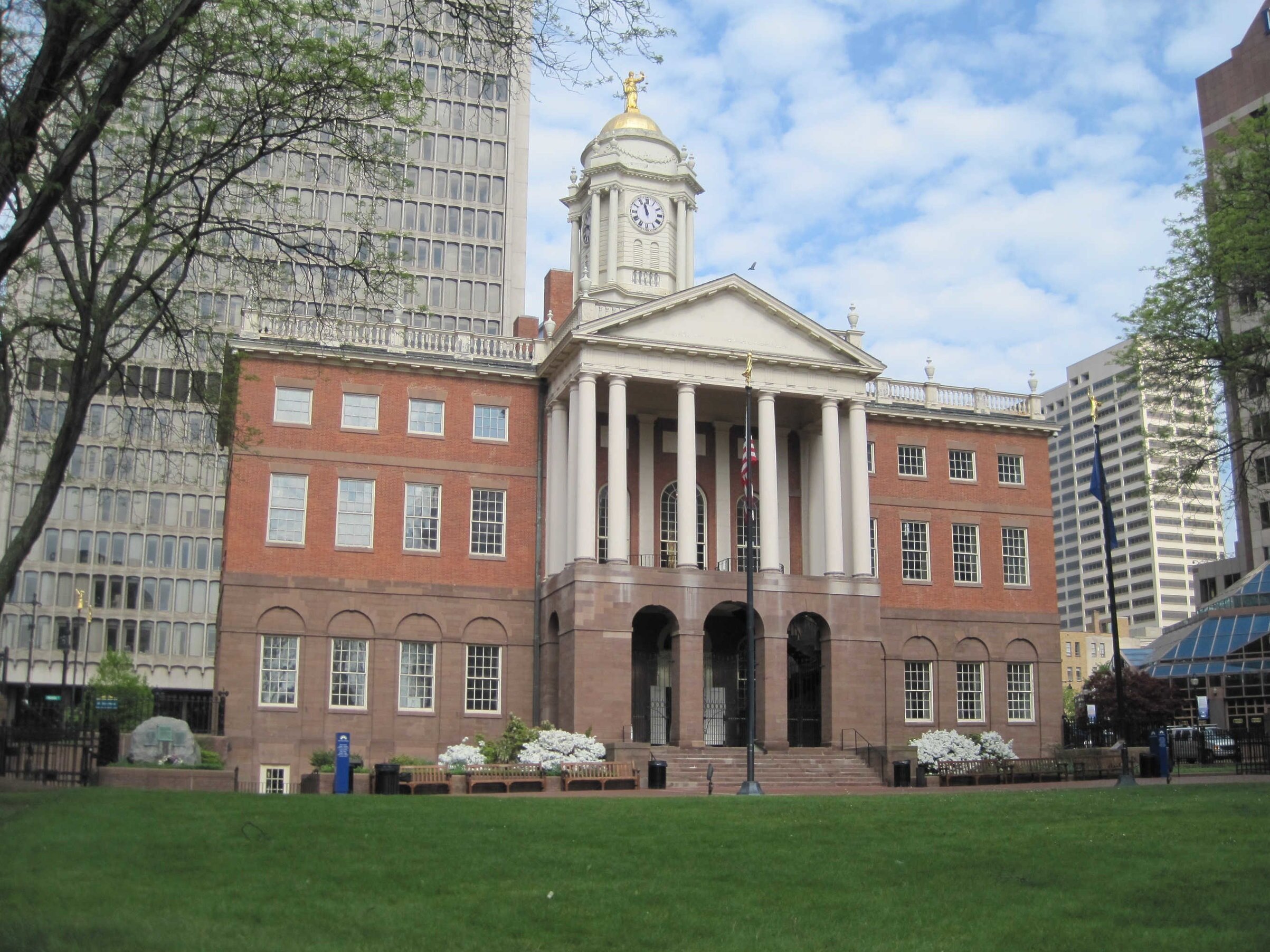
The OLD state House

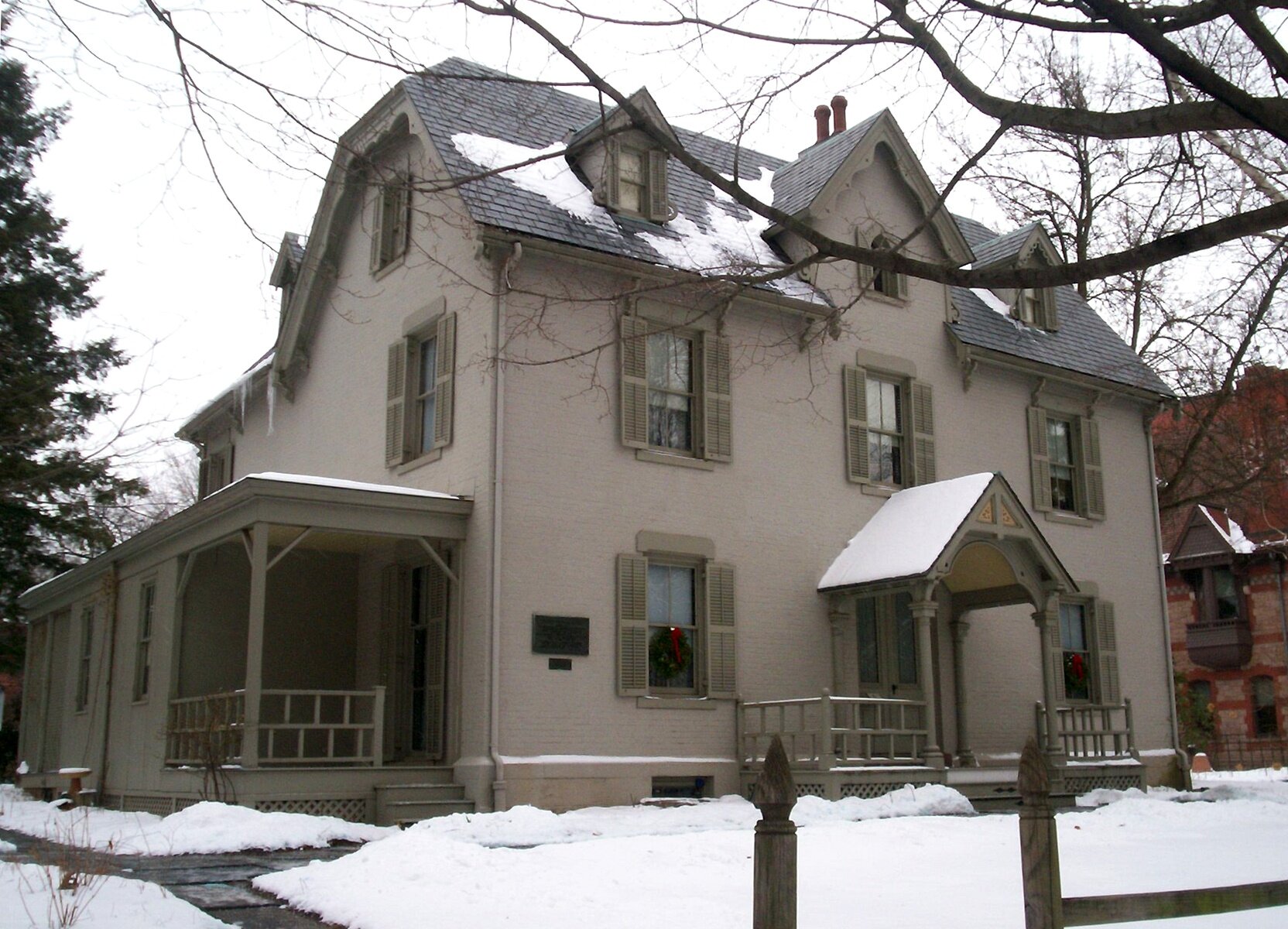
The Harriet Beecher Stowe Center

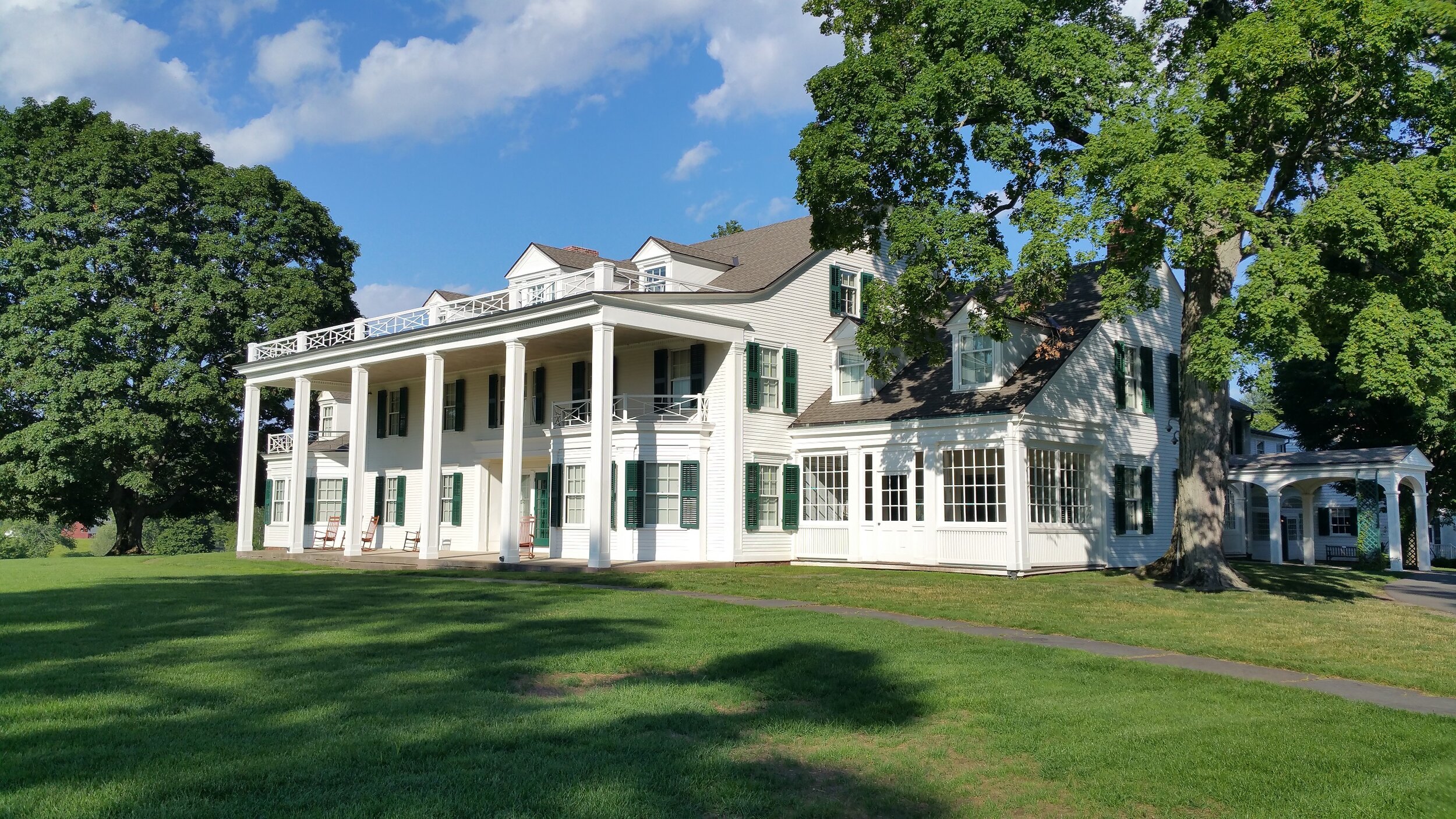
Hill-Stead Museum


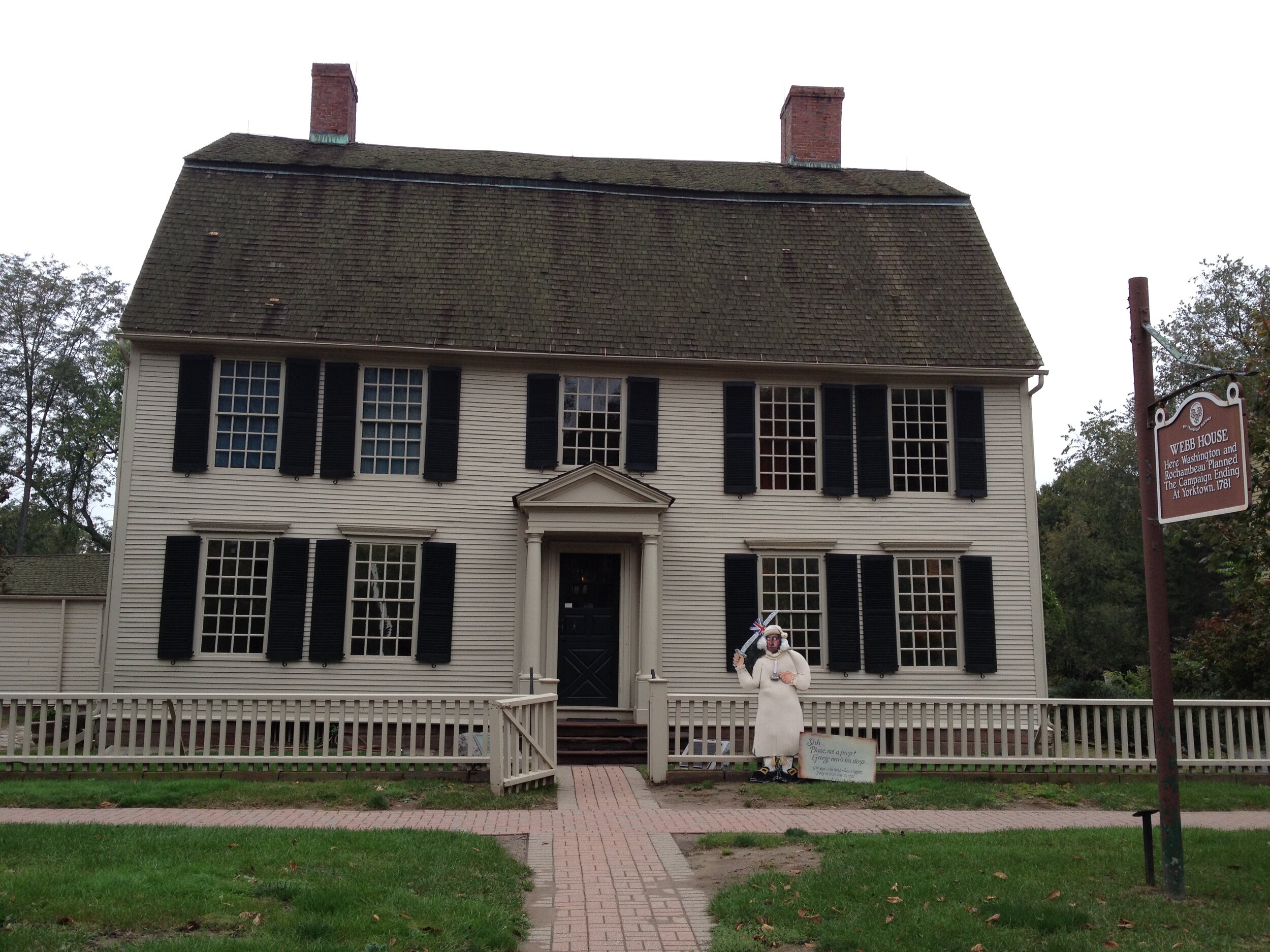
Webb-Deane-Stevens Museum

The Martha A. Parsons House Museum

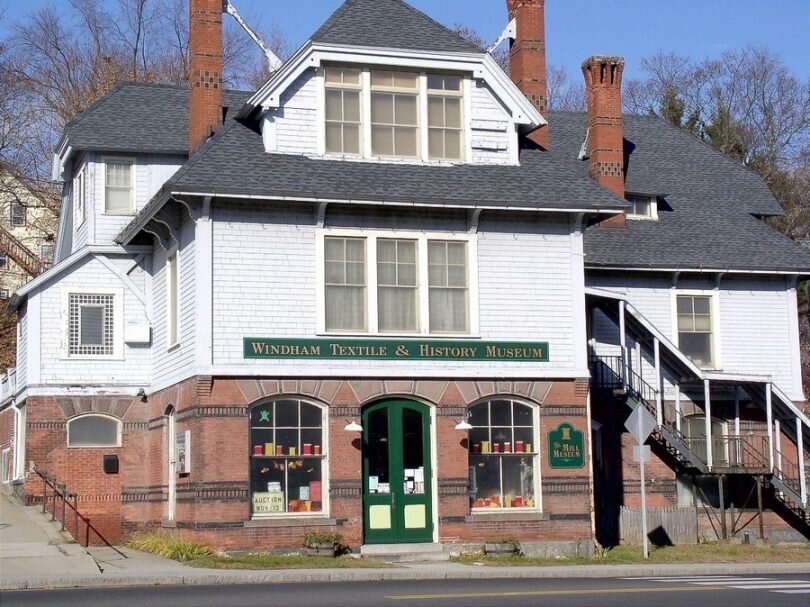
While mill owners’ wives may have thought their lives were worthy of notice, the less affluent women who worked in Willimantic’s textile mills during the Industrial period would never have dreamed that examples of their homes and workplace would be …

While mill owners’ wives may have thought their lives were worthy of notice, the less affluent women who worked in Willimantic’s textile mills during the Industrial period would never have dreamed that examples of their homes and workplace would be recreated in a museum.

Visitors to the Windham Textile & History Museum experience the contrasts of life in a mill worker’s home and a mill owner’s mansion and tour a recreation of a 19th-century textile mill. The museum also has special exhibits throughout the year.

Museum hours are Friday, Saturday and Sunday, 10:00 am - 4:00pm. Closed January and major holidays.

Windham Textile & History Museum

 
The Prudence Crandall Museum celebrates the life and work of Prudence Crandall, Connecticut’s official State Heroine. An educator of young women, in 1832 Crandall admitted Sarah Harris, an African American woman, into her academy.Refusing to be disc…

The Prudence Crandall Museum celebrates the life and work of Prudence Crandall, Connecticut’s official State Heroine. An educator of young women, in 1832 Crandall admitted Sarah Harris, an African American woman, into her academy.

Refusing to be discouraged either by prejudiced townspeople or by a Connecticut law that made her school illegal, Crandall continued her work, fighting her arrest and conviction until she was acquitted. The museum’s exhibits, period rooms, and research library allow visitors to explore Crandall’s courageous work to educate young women of color.

Prudence Crandall Museum

The Thankful Arnold House in Haddam transports visitors back to the early-19th century, helping them to explore the lives of women under the constraints of English Common Law. Because women by law were not allowed to own property, when Thankful’s hu…

The Thankful Arnold House in Haddam transports visitors back to the early-19th century, helping them to explore the lives of women under the constraints of English Common Law. Because women by law were not allowed to own property, when Thankful’s husband Joseph Arnold died prematurely, she was allotted only a third of her husband’s property and the rest went up for sale.

Luckily, her brother-in-law purchased the property and later sold it to her son, thus keeping the entire property in the family. Thankful Arnold’s “ghost” narrates the visit, telling of her life and the lives of her daughter and granddaughter. Representative of their time, these three generations of women were heads of households in the historic home, built in 1794 and later added onto in 1800 and 1810.

The ThankFul Arnold House

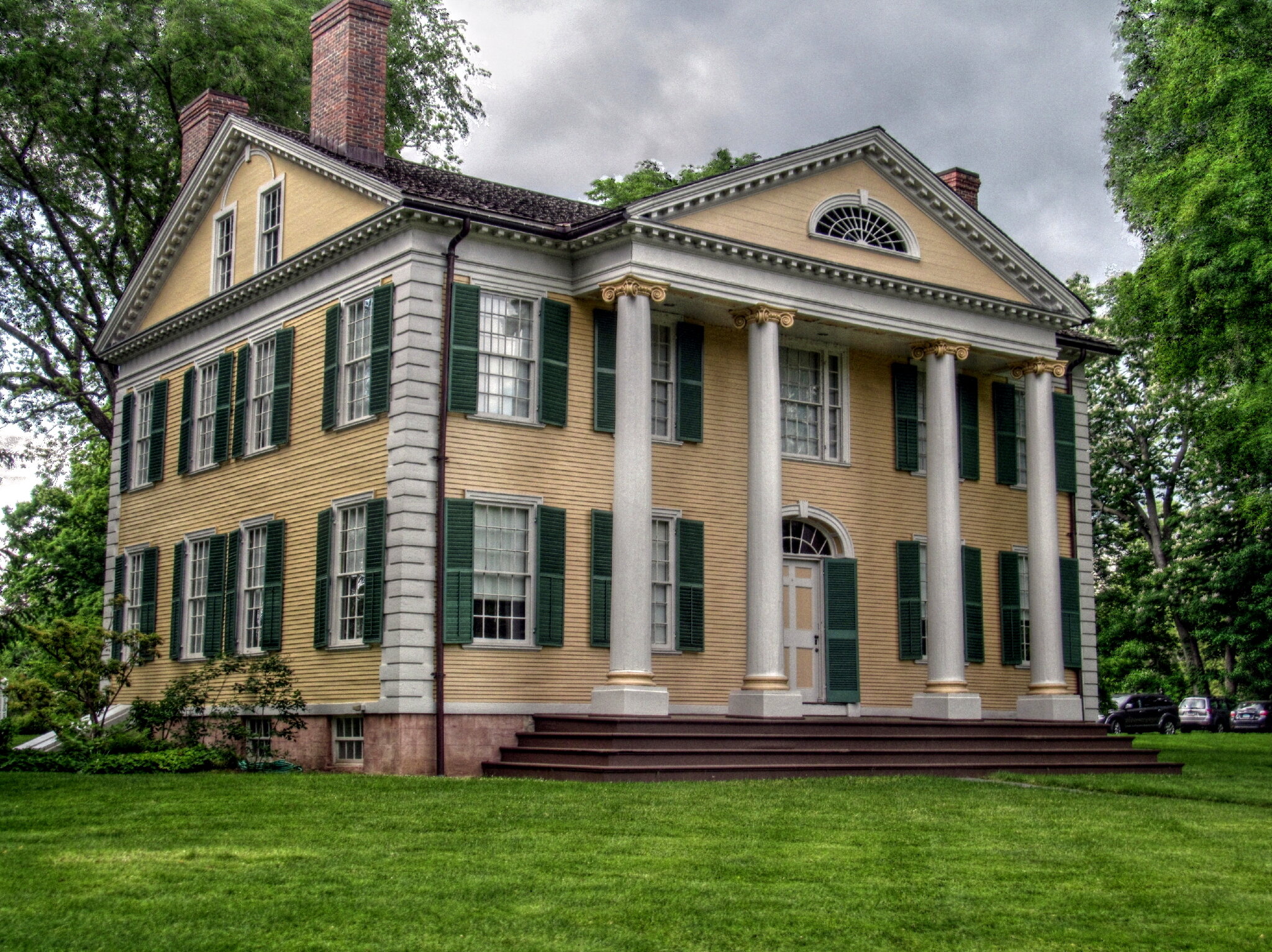
There are many ways to change to world, and the arts are one major way to do so. Florence Griswold nurtured American Impressionist Painting by hosting artists in her home in Old Lyme, making the picturesque town on the Connecticut River a thriving a…

There are many ways to change to world, and the arts are one major way to do so. Florence Griswold nurtured American Impressionist Painting by hosting artists in her home in Old Lyme, making the picturesque town on the Connecticut River a thriving artist colony in the late-19th century.

The Florence Griswold Museum, housed in Griswold’s former home, presents an outstanding collection of American Impressionist Art and preserves Griswold’s legacy as a patron of the arts. From its permanent collections to rotating exhibits and summer art camps, the museum is a preeminent arts destination in Connecticut.

Florence Griswold Museum

 
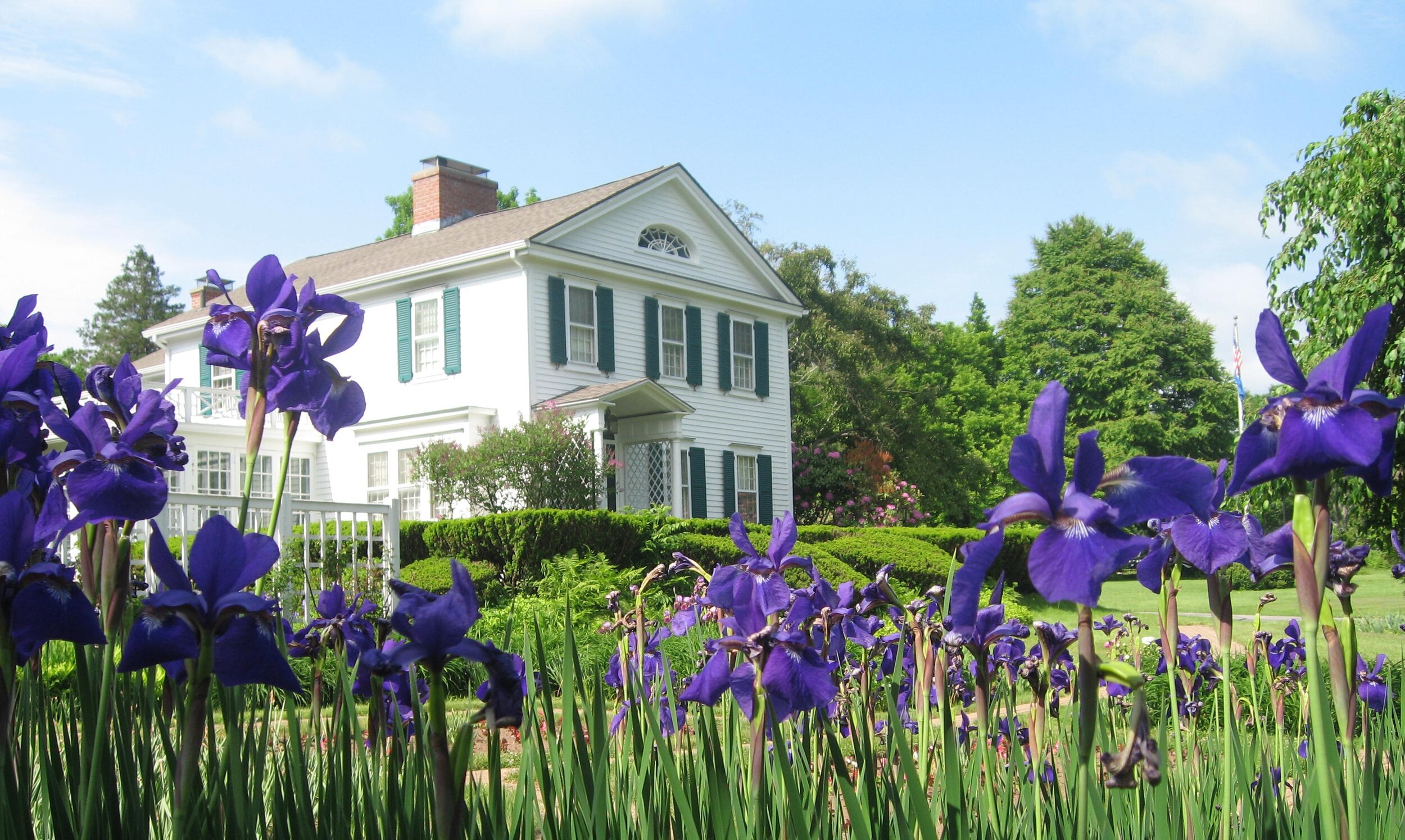
The Osborne Homestead Museum is a national historic site where visitors can learn about women’s lives in the early 1900s. The house was originally built in the mid-1800s and was remodeled during the 1920s.The house and grounds were part of the Franc…

The Osborne Homestead Museum is a national historic site where visitors can learn about women’s lives in the early 1900s. The house was originally built in the mid-1800s and was remodeled during the 1920s.

The house and grounds were part of the Frances Osborne Kellogg Estate and the museum honors and celebrates her life. Frances Osborne Kellogg was a conservationist and business woman who made sure the lands were preserved for future generations. The luscious museum grounds are part of the Connecticut Historic Gardens Trail and are open to museum visitors as well.

Osborne Homestead Museum

Mabel Osgood Wright was a pioneer in the field of environmental education. Her nature writing played a major role in raising national consciousness about environmental issues. In 1914, she founded the nation’s first bird sanctuary in Fairfield.The bird sanctuary is the first songbird refuge in the nation and has been specifically designed to attract various species of birds and butterflies. In addition to the six-acre sanctuary, the site is also home to the Birdcraft Museum, which presents visitors with informational exhibits about Connecticut’s wildlife history through a variety of educational programs and events for all ages.

Mabel Osgood Wright was a pioneer in the field of environmental education. Her nature writing played a major role in raising national consciousness about environmental issues. In 1914, she founded the nation’s first bird sanctuary in Fairfield.

The bird sanctuary is the first songbird refuge in the nation and has been specifically designed to attract various species of birds and butterflies. In addition to the six-acre sanctuary, the site is also home to the Birdcraft Museum, which presents visitors with informational exhibits about Connecticut’s wildlife history through a variety of educational programs and events for all ages.

Birdcraft Museum & Sanctuary

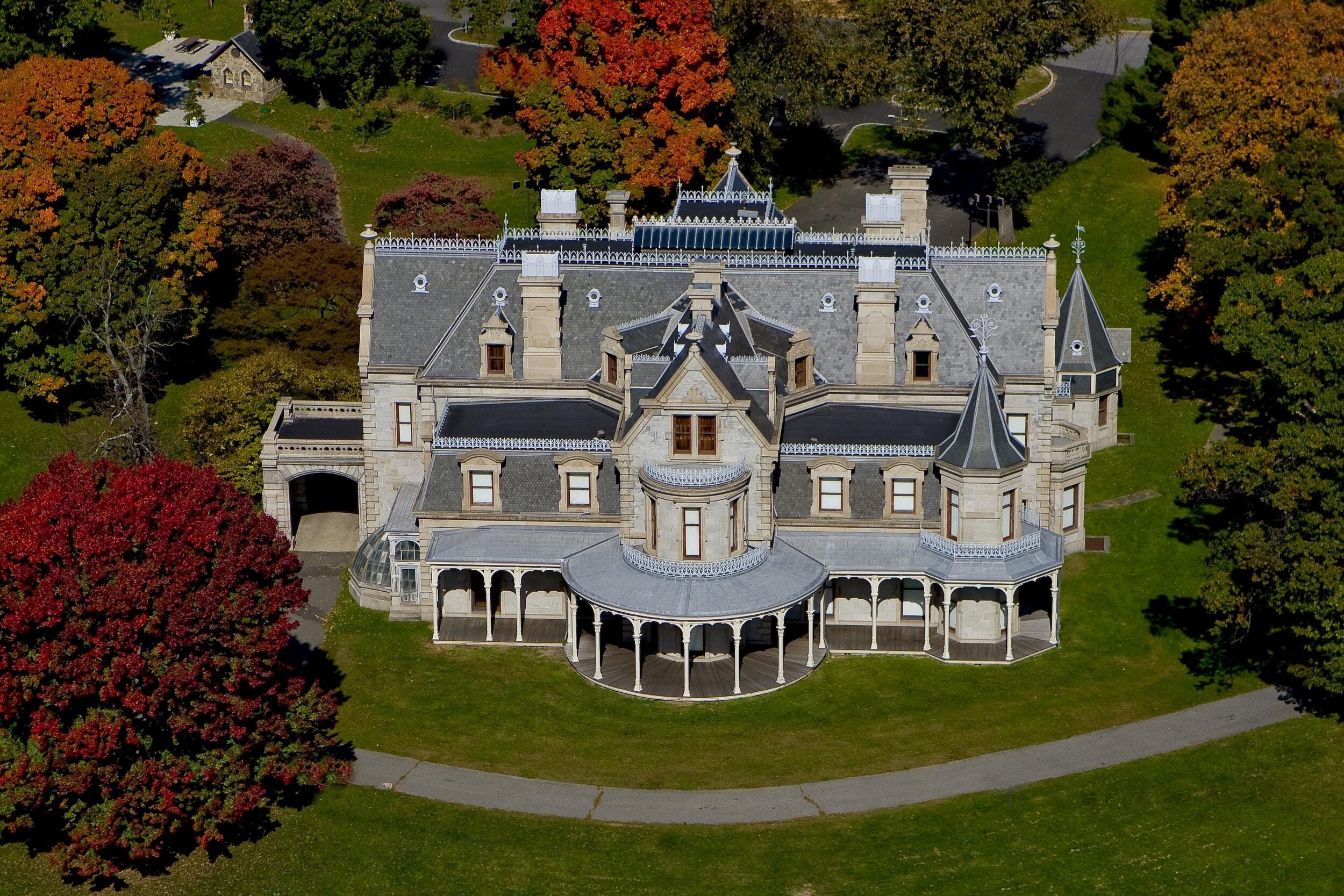
A designated National Historic Landmark, The Lockwood-Mathews Mansion Museum is one of the earliest and most significant Second Empire-style homes built in the United States. The home was built by railroad baron and financier LeGrand Lockwood in the post-Civil War era and presents a remarkable vision of Victorian architecture and furnishings.After Lockwood’s death, the property was sold to the Mathews family. Twenty-one when her father purchased the property, Florence Mathews grew to love the home very much and entertained extensively in its parlors and gardens. She succeeded in maintaining a full staff, even during the Great Depression. This elegant mansion teaches the visitor not only about the decorative arts and the evolution of domestic technology, but also about the everyday lives of the women above and below the staircase, the wealthy and their servants.

A designated National Historic Landmark, The Lockwood-Mathews Mansion Museum is one of the earliest and most significant Second Empire-style homes built in the United States. The home was built by railroad baron and financier LeGrand Lockwood in the post-Civil War era and presents a remarkable vision of Victorian architecture and furnishings.

After Lockwood’s death, the property was sold to the Mathews family. Twenty-one when her father purchased the property, Florence Mathews grew to love the home very much and entertained extensively in its parlors and gardens. She succeeded in maintaining a full staff, even during the Great Depression. This elegant mansion teaches the visitor not only about the decorative arts and the evolution of domestic technology, but also about the everyday lives of the women above and below the staircase, the wealthy and their servants.

Lockwood-MatThews Mansion Museum

 
The New Canaan Historical Society’s historic sites and collections offer interesting clues to women’s lives in various eras. The history of the Hanford-Silliman house, once a tavern and boarding house, illustrates a number of essential economic role…

The New Canaan Historical Society’s historic sites and collections offer interesting clues to women’s lives in various eras. The history of the Hanford-Silliman house, once a tavern and boarding house, illustrates a number of essential economic roles that its women played over time: waitress, cook, boarding housekeep, and heiress. The Society’s costume collection, which is regularly interpreted in rotating exhibits, illuminates women’s lives over the decades.

The New Canaan Historical Society/Hanford-Silliman House

The Bush-Holley House in Cos Cob is one of Connecticut’s pre-eminent art sites. Listed on the National Register of Historic Places, the site is among the oldest in Connecticut. In the 1890s, Josephine Holley and her daughter Constant ran a boarding …

The Bush-Holley House in Cos Cob is one of Connecticut’s pre-eminent art sites. Listed on the National Register of Historic Places, the site is among the oldest in Connecticut. In the 1890s, Josephine Holley and her daughter Constant ran a boarding house for writers and Impressionist artists and fostered an artist colony in the village of Cos Cob. John Twachtman and Theodore Robinson were among the many impressionists attracted to the picturesque site to debate ideas and plan groundbreaking works.

However, Holley was not the first remarkable woman to occupy the home. During the Revolutionary War, while her husband was imprisoned for suspected British sympathies, Sarah Bush defended her house and family against attack. Both women’s stories are interpreted in this charming preserved 1730s Saltbox.

The Bush-Holley Historic Site & Visitor Center

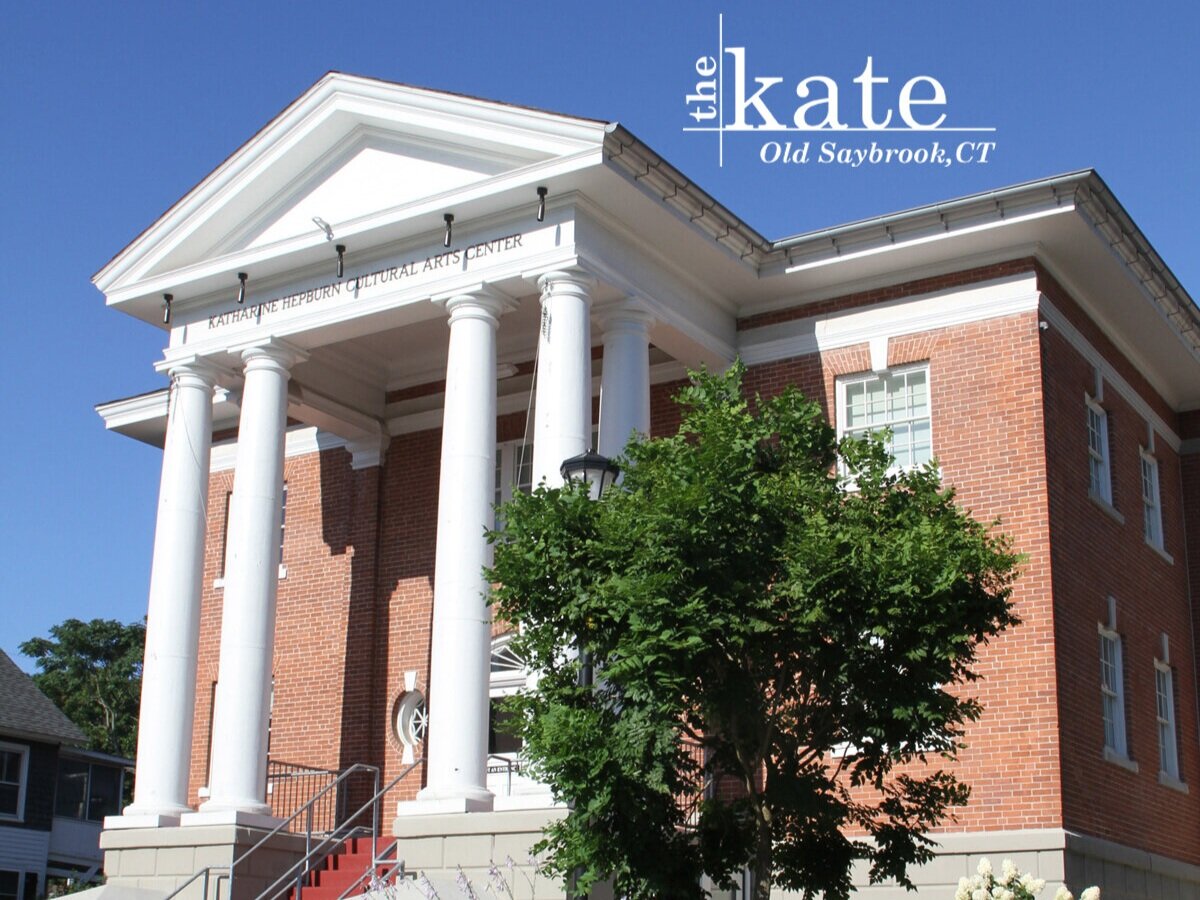
Named in honor of one of Connecticut’s most famous residents, the Katharine Hepburn Cultural Arts Center (the Kate) presents a diverse repertoire of cultural and performing arts, provides educational opportunities, and is a lasting legacy for Americ…

Named in honor of one of Connecticut’s most famous residents, the Katharine Hepburn Cultural Arts Center (the Kate) presents a diverse repertoire of cultural and performing arts, provides educational opportunities, and is a lasting legacy for America’s iconic actress. Ms. Hepburn was born in Hartford in 1907 and spent summers with her family in the Old Saybrook borough of Fenwick, a place she referred to as “paradise.” She eventually retired to Fenwick and was a dedicated member of the community, supporting civic projects and conservation until her passing in 2003.

The Katharine Hepburn Museum is located on the first floor of the Kate and features dynamic exhibits that present an authentic view of the rich history and cultural impact of Ms. Hepburn, her family, and her life’s work. As the only museum of its kind, it features letters Ms. Hepburn wrote to her family, costumes and personal wardrobe items, film memorabilia, and some of her awards. Museum programs explore her progressive family and ties to Old Saybrook, as well as her drive and determination to sustain a six decades-long career. To date, Ms. Hepburn continues to hold the record for the most Oscars won for best actress.

The Kate